

Ayurveda, a Sanskrit term meaning “the science of life”, is among the oldest comprehensive healing systems in the world. Originating in India over 5,000 years ago, Ayurveda focuses on treating the individual as a whole rather than addressing isolated symptoms.
At its core, Ayurveda teaches that true health depends on maintaining harmony between the mind, body, spirit, and surrounding environment. Instead of concentrating solely on disease treatment, Ayurvedic medicine emphasizes disease prevention, balance, and long-term well-being, while also offering therapies for specific health conditions when required.

Ayurveda and the Concept of Life Energy
Ayurveda is founded on the belief that everything in the universe—living and non-living—is interconnected. When the mind, body, and spirit are aligned with nature, a person enjoys good health. Illness occurs when this balance is disturbed.
Several factors can disrupt this harmony, including genetic influences, injuries, seasonal and climatic changes, aging, and emotional stress.
According to Ayurvedic philosophy, the human body is composed of five fundamental elements:
- Space
- Air
- Fire
- Water
- Earth
These elements combine to form three vital energies, known as Doshas, which govern all bodily and mental functions:
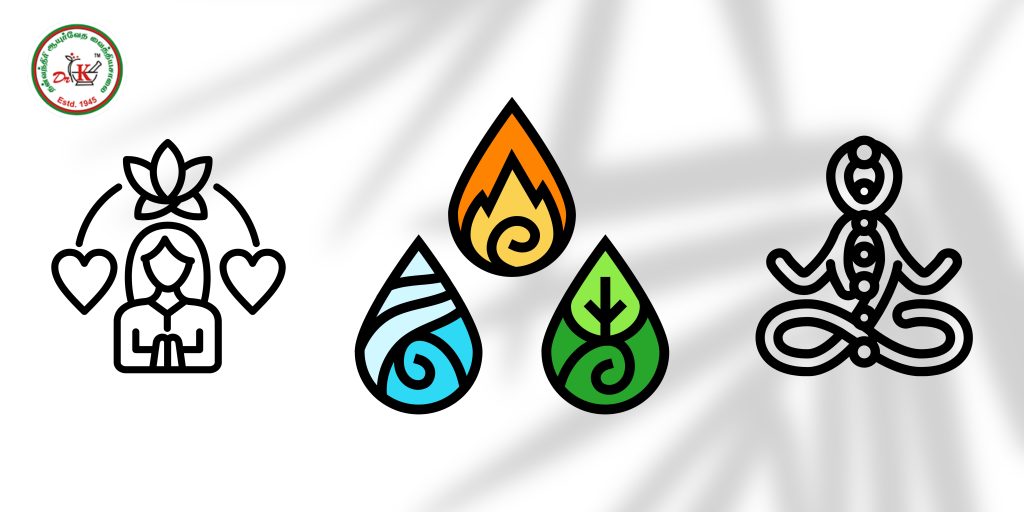
- Vata (space and air)
- Pitta (fire and water)
- Kapha (water and earth)
Each person has a unique combination of these doshas, though one usually dominates. The balance or imbalance of these energies is believed to influence an individual’s health and susceptibility to disease.
The Three Doshas Explained
Vata Dosha
Vata is considered the most influential dosha, responsible for essential functions such as movement, breathing, circulation, nerve impulses, and waste elimination. It also governs mental activity and creativity.
Individuals with dominant Vata traits are often energetic, imaginative, and quick-thinking, though they may be prone to anxiety, restlessness, and irregular routines. Physically, they tend to have a lean build and feel cold easily.
When Vata becomes imbalanced, it may contribute to conditions such as asthma, joint disorders, skin issues, and nervous system problems. Balance can be restored through grounding practices like meditation, oil massage, regular sleep patterns, and warm, nourishing foods.
Pitta Dosha
Pitta governs digestion, metabolism, and hormonal activity related to appetite and body temperature. People with a dominant Pitta nature are typically confident, focused, competitive, and strong leaders. They often have a medium, muscular build and generate body heat easily.
Excess Pitta can lead to irritability, anger, inflammation, digestive disorders, and conditions such as high blood pressure or acid-related issues. Cooling foods, moderation, stress management, and calming activities such as gentle yoga can help restore balance.
Kapha Dosha
Kapha supports physical strength, stability, immunity, and emotional calmness. Those with dominant Kapha traits are generally patient, compassionate, and grounded, with a sturdy body frame.
When Kapha is out of balance, it may lead to fatigue, sluggishness, weight gain, depression, and respiratory or metabolic disorders. Increasing physical activity, consuming light and fresh foods, and maintaining an active lifestyle help reduce excess Kapha.
Ayurvedic Treatment Approach
Ayurvedic treatment is highly personalized. Practitioners assess an individual’s physical characteristics, emotional tendencies, lifestyle habits, and dominant doshas to design a customized treatment plan. The primary goal is to restore balance between the mind and body.
Common Ayurvedic therapies include:
- Herbal formulations, tailored to an individual’s dosha
- Yoga and meditation
- Panchakarma, a detoxification process to cleanse the body
- Lifestyle counseling
- Oil therapies and massages
- Breathing exercises (pranayama) and mantra practices
Benefits of Ayurveda

Although Ayurveda has not been studied as extensively as modern Western medicine, many of its practices have demonstrated positive effects on health and wellness.
Research and observation suggest that Ayurvedic approaches may:
- Reduce symptoms of chronic conditions such as arthritis
- Lower blood pressure and cholesterol levels
- Support heart health through plant-based dietary principles
- Improve digestion, circulation, and mental clarity
- Reduce stress, anxiety, and sleep disturbances
Practices like yoga, meditation, and the use of natural spices and herbs play a key role in promoting overall well-being.
Safety Considerations
It is important to note that Ayurvedic products are not universally regulated in all countries. Some herbal formulations have been found to contain harmful substances. Therefore, it is essential to consult a qualified healthcare provider before starting any Ayurvedic treatment, especially when combining it with conventional medicine.
Finding an Ayurvedic Practitioner
Ayurveda is widely practiced in India and recognized as a traditional medical system. In other countries, it is considered a complementary or alternative therapy.
Those interested in Ayurveda should seek guidance from qualified practitioners and integrative medicine professionals who can ensure safe use of herbal treatments and coordinate care with modern medical approaches.
Adopting an Ayurvedic Lifestyle
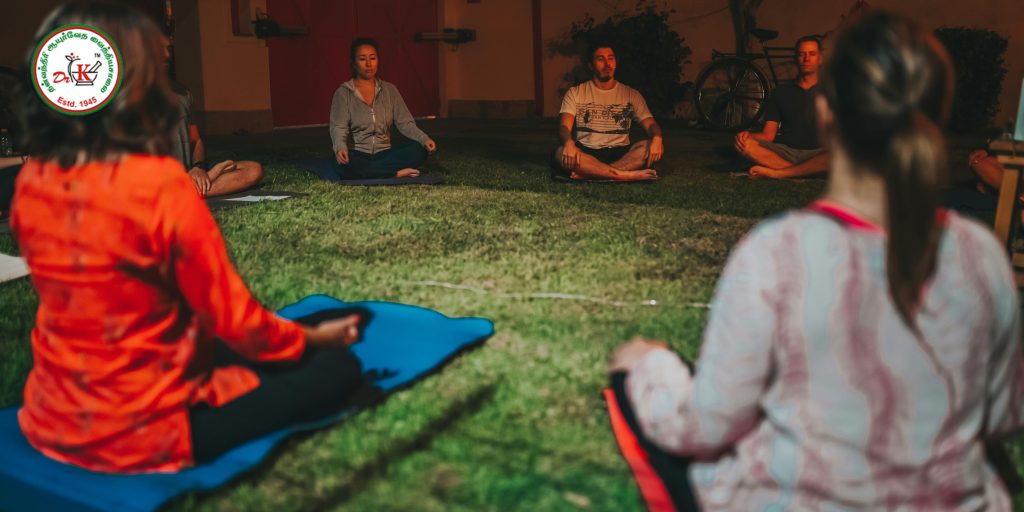
Even without visiting an Ayurvedic practitioner, simple lifestyle practices can help promote balance:
For Sleep and Stress
- Maintain consistent sleep and wake times
- Practice daily meditation
- Use deep breathing techniques
Physical Activity
- Engage in yoga or regular movement
- Adjust exercise intensity based on your body’s needs
Nutrition
- Choose fresh, home-cooked meals
- Eat mindfully and avoid stress while eating
- Make lunch the largest meal of the day
- Focus on whole grains, fruits, vegetables, nuts, and natural sweeteners
Herbs and Spices
Many common kitchen spices support digestion and immunity. Always consult a healthcare professional before using herbal supplements.
Key Takeaway
Ayurveda is a comprehensive health system that considers the physical, mental, and spiritual dimensions of life. While it is complex, many of its principles can be easily incorporated into daily routines. By understanding your natural constitution and making mindful lifestyle choices, Ayurveda aims to help you achieve its ultimate goal—balance, harmony, and lasting well-being.
Read Also : Weight Reduction Therapy – A Holistic Ayurvedic Path to Healthy Living
Website : Dr.K.Dhanvanthri Ayurveda Vaidya Salai
