

In today’s fast-paced world, many people struggle with stress, fatigue, unhealthy lifestyles, and chronic health problems. Modern life often creates an imbalance in both the mind and body, leading to physical illness and emotional distress. Ayurveda, the ancient system of natural medicine that originated in India more than 5,000 years ago, offers a holistic approach to restoring harmony and improving overall well-being.
The word Ayurveda comes from two Sanskrit words: “Ayur” meaning life and “Veda” meaning knowledge or science. Together, Ayurveda means “the science of life.” It focuses on maintaining balance in the body, mind, and spirit through natural therapies, diet, lifestyle changes, and herbal medicines.
In this article, we will explore how Ayurveda helps restore balance in the mind and body and why it remains one of the most trusted natural healing systems in the world.
Understanding the Ayurvedic Concept of Balance
According to Ayurveda, good health is achieved when the body, mind, and spirit are in harmony. The foundation of Ayurveda is based on the balance of three biological energies known as Doshas.
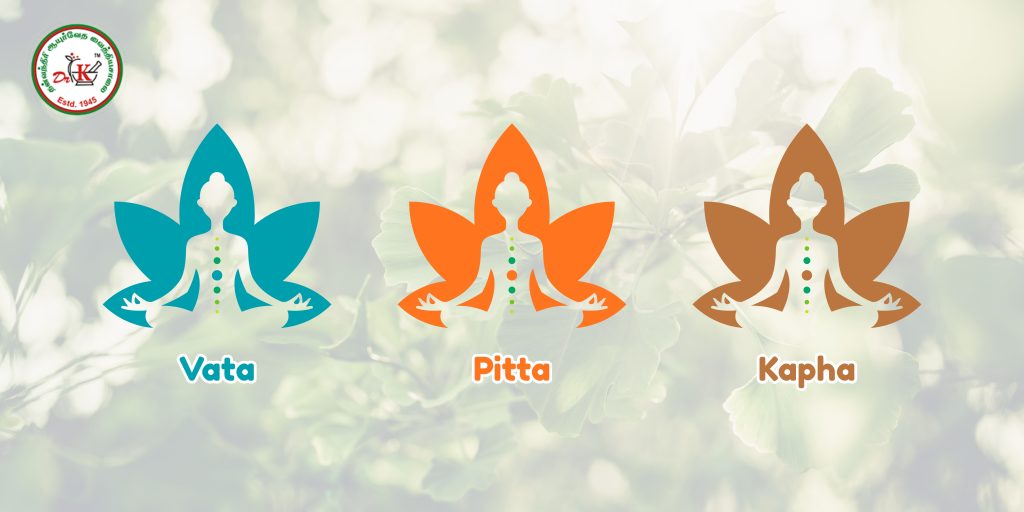
The Three Doshas
- Vata Dosha : Vata represents movement and is associated with air and space elements. It controls breathing, circulation, nervous system activity, and movement in the body.
- Pitta Dosha : Pitta represents transformation and is associated with fire and water elements. It governs digestion, metabolism, and body temperature.
- Kapha Dosha : Kapha represents stability and is linked to earth and water elements. It supports body structure, immunity, and lubrication of joints.
Every person has a unique combination of these three doshas, known as their Prakriti (body constitution). When the doshas are balanced, the body functions optimally. However, poor diet, stress, lack of sleep, and unhealthy lifestyle habits can disturb this balance, leading to disease.
Ayurveda focuses on identifying these imbalances and restoring harmony through natural treatments.
The Mind-Body Connection in Ayurveda
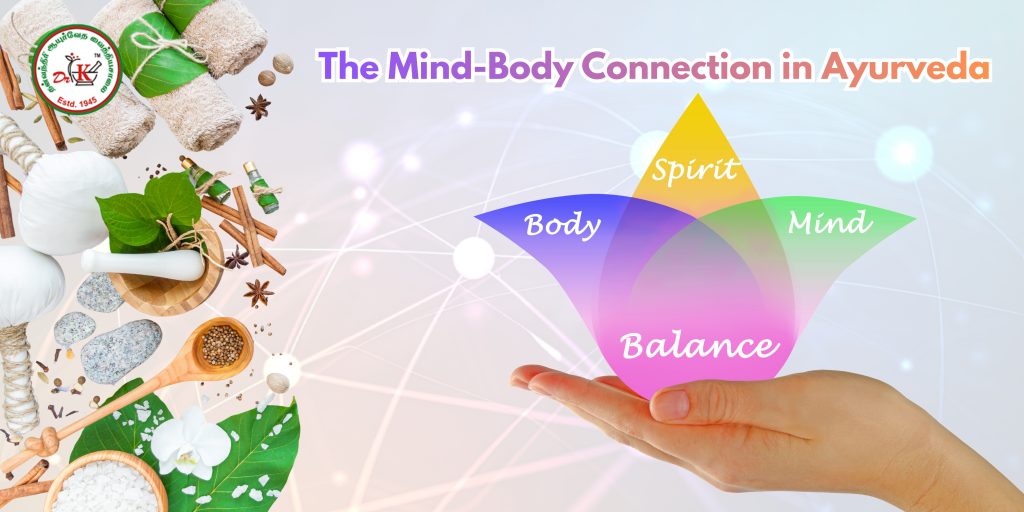
One of the most important principles of Ayurveda is the strong connection between the mind and body. Unlike modern medicine, which often treats symptoms separately, Ayurveda recognizes that emotional and mental health directly affect physical health.
For example:
- Stress can lead to digestive problems.
- Anxiety may cause insomnia and fatigue.
- Emotional imbalance can weaken the immune system.
Ayurveda addresses these issues by treating the root cause rather than only managing symptoms. Through proper lifestyle changes, herbal medicines, and therapeutic treatments, Ayurveda helps bring balance to both mental and physical health.
Ayurvedic Therapies That Restore Balance
Ayurveda offers a variety of traditional therapies designed to cleanse the body, calm the mind, and restore natural balance.
Panchakarma Detox Therapy
One of the most powerful Ayurvedic treatments is Panchakarma, a detoxification process that removes toxins from the body. Over time, toxins accumulate in the body due to poor digestion, pollution, stress, and unhealthy food habits.
Panchakarma therapy includes several procedures such as:
- Abhyanga (herbal oil massage)
- Swedana (herbal steam therapy)
- Virechana (therapeutic cleansing)
- Basti (medicated enema therapy)
- Nasya (nasal detox treatment)
These treatments help cleanse the body, improve circulation, boost immunity, and rejuvenate both mind and body.
Ayurvedic Herbal Medicines

Herbal medicine plays a significant role in Ayurveda. Ayurvedic herbs are carefully selected based on an individual’s body constitution and health condition.
Some commonly used Ayurvedic herbs include:
- Ashwagandha – helps reduce stress and improve energy levels
- Turmeric – supports immunity and reduces inflammation
- Triphala – improves digestion and detoxifies the body
- Brahmi – enhances memory and mental clarity
These herbs work naturally with the body to restore balance without harmful side effects.
Ayurvedic Massage Therapy

Ayurvedic massage is another important therapy used to relax the body and calm the mind. Herbal oils are chosen according to a person’s dosha type and gently applied during massage.
Benefits of Ayurvedic massage include:
- Improved blood circulation
- Reduced muscle tension
- Better sleep quality
- Stress reduction
- Enhanced energy levels
Regular Ayurvedic massage can help maintain mental peace and physical wellness.
Ayurvedic Diet for Mind and Body Balance
Diet is considered one of the most important aspects of Ayurvedic healing. Ayurveda believes that food is not just nutrition but also medicine.
A balanced Ayurvedic diet focuses on:
- Fresh and natural foods
- Seasonal fruits and vegetables
- Whole grains
- Herbal spices
- Warm and freshly prepared meals
Different doshas require different types of foods.
For example:
- Vata types benefit from warm, nourishing foods.
- Pitta types should consume cooling foods such as fruits and vegetables.
- Kapha types benefit from light and spicy foods that stimulate metabolism.
Following a diet suitable for your body type helps maintain balance and prevent disease.
Ayurvedic Lifestyle Practices for Mental Peace
Ayurveda emphasizes the importance of daily routines, known as Dinacharya, for maintaining health and balance.
Some simple Ayurvedic lifestyle practices include:
- Waking up early in the morning
- Practicing yoga and meditation
- Eating meals at regular times
- Maintaining proper sleep habits
- Avoiding processed and unhealthy foods
Yoga and meditation are particularly beneficial because they help calm the mind, improve concentration, and reduce stress.
Practicing these daily habits helps maintain emotional stability and physical vitality.
Ayurveda for Stress Management
Stress has become one of the biggest health challenges in modern society. Long-term stress can lead to anxiety, depression, digestive problems, and heart disease.
Ayurveda provides natural methods to manage stress effectively, including:
- Herbal adaptogens such as Ashwagandha
- Relaxing therapies like Shirodhara
- Meditation and breathing exercises
- Balanced diet and lifestyle
These natural techniques help calm the nervous system and restore mental clarity.
The Role of Preventive Healthcare in Ayurveda
Another important aspect of Ayurveda is prevention. Instead of waiting for disease to develop, Ayurveda focuses on maintaining health and preventing illness through healthy habits.
Preventive Ayurvedic practices include:
- Regular detoxification therapies
- Proper nutrition
- Balanced lifestyle routines
- Stress management techniques
- Seasonal health adjustments
By maintaining balance in the body and mind, Ayurveda helps individuals enjoy long-term health and well-being.
Conclusion
Ayurveda is a time-tested system of natural healing that focuses on restoring harmony between the mind, body, and spirit. Through the balance of the three doshas—Vata, Pitta, and Kapha—Ayurveda promotes overall wellness and prevents disease.
With its holistic approach that includes herbal medicines, detox therapies, balanced diet, yoga, meditation, and lifestyle practices, Ayurveda offers a comprehensive solution for maintaining both physical and mental health.
In today’s stressful world, adopting Ayurvedic principles can help individuals reconnect with their natural state of balance and vitality. By integrating Ayurveda into daily life, it is possible to achieve lasting health, emotional stability, and inner peace.
Ayurveda reminds us that true wellness is not just the absence of disease, but a harmonious balance between the mind, body, and spirit.
Read Also : Ayurvedic Treatment for Modern Lifestyle Disorders
