
Ayurvedic Therapies for Stress Relief and Relaxation
In today’s fast-paced world, stress has become a common part of daily life. Long working hours, lack of sleep, unhealthy food habits, emotional pressure, and excessive screen time can negatively affect both physical and mental health. Chronic stress may lead to anxiety, fatigue, insomnia, headaches, digestive disorders, and weakened immunity. While modern medicine often focuses on symptom management, Ayurveda offers a holistic approach to stress relief and relaxation.
Ayurveda is an ancient healing science that emphasizes balance between the body, mind, and spirit. According to Ayurvedic principles, stress occurs when there is an imbalance in the body’s doshas—Vata, Pitta, and Kapha. By restoring this balance through therapies, herbal treatments, diet, yoga, meditation, and lifestyle practices, Ayurveda helps achieve deep relaxation and long-term mental wellness.
This article explores various Ayurvedic therapies for stress relief and relaxation, their benefits, procedures, and how they support emotional and physical well-being naturally.
Understanding Stress in Ayurveda
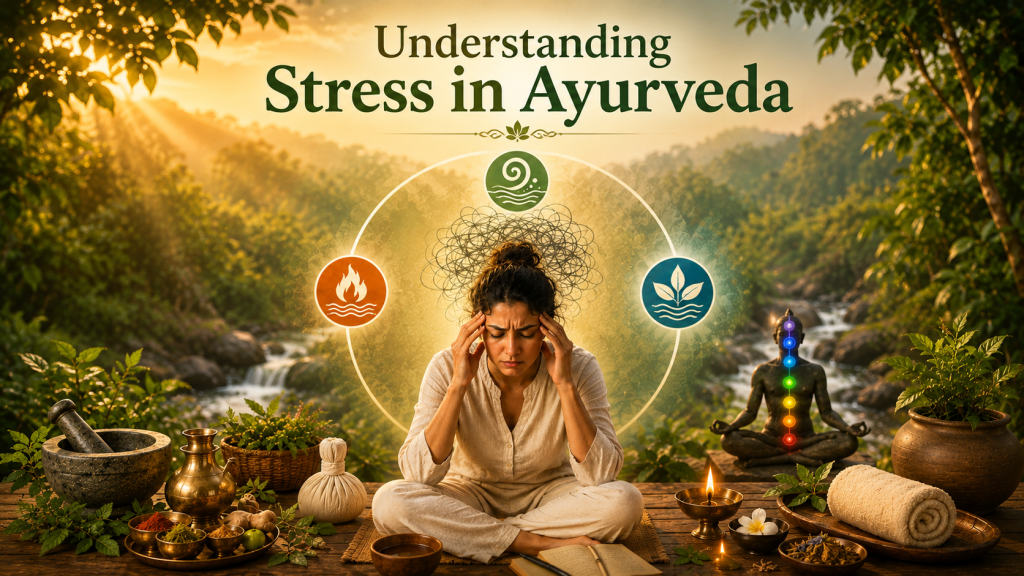
In Ayurveda, mental health is closely connected to physical health. Stress is mainly associated with an aggravated Vata dosha, which governs movement, the nervous system, and mental activity. Excessive stress can also disturb Pitta dosha, leading to irritability, anger, and burnout.
Common causes of stress according to Ayurveda include:
- Irregular lifestyle
- Excessive mental work
- Lack of sleep
- Poor digestion
- Emotional trauma
- Excessive travel
- Unhealthy eating habits
- Suppression of emotions
Ayurveda believes that when the mind loses its natural calmness, it affects the entire body. Therefore, treatment focuses on calming the nervous system, nourishing tissues, improving sleep, and promoting emotional stability.
Importance of Relaxation in Ayurveda
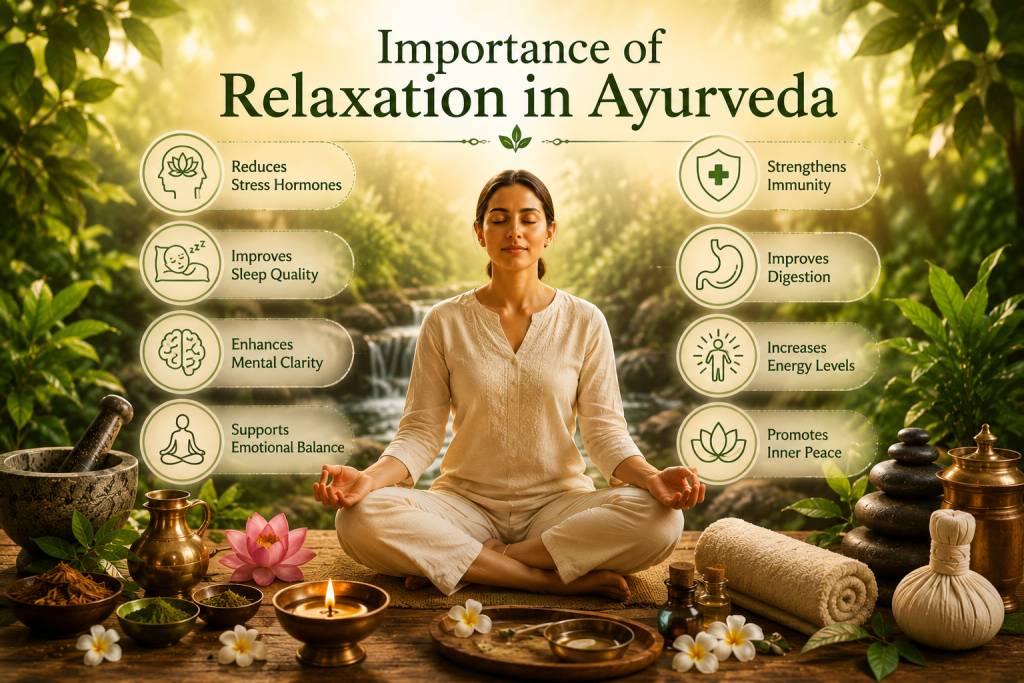
Relaxation is not merely resting the body. Ayurveda considers true relaxation as a state where the body, mind, and senses are in harmony. Regular relaxation practices help:
- Reduce stress hormones
- Improve sleep quality
- Enhance mental clarity
- Support emotional balance
- Strengthen immunity
- Improve digestion
- Increase energy levels
- Promote inner peace
Ayurvedic therapies are designed to create this state of deep relaxation naturally.
Popular Ayurvedic Therapies for Stress Relief
1. Shirodhara Therapy
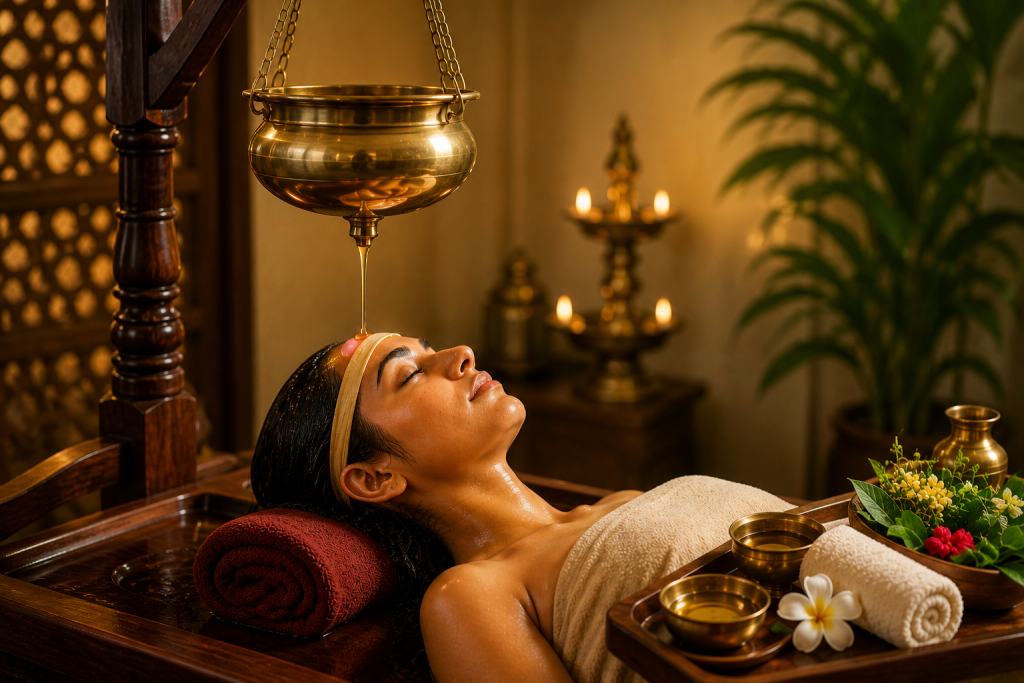
One of the most famous Ayurvedic relaxation therapies is Shirodhara. In this therapy, warm herbal oil is continuously poured over the forehead in a rhythmic stream.
The word “Shirodhara” comes from:
- Shiro = Head
- Dhara = Flow
Procedure of Shirodhara
- The person lies comfortably on a therapy table.
- Warm medicated oil is poured gently onto the forehead.
- The oil flows continuously for about 30–45 minutes.
- The treatment is usually followed by a gentle head massage.
Benefits of Shirodhara
- Relieves stress and anxiety
- Improves sleep quality
- Calms the nervous system
- Reduces mental fatigue
- Enhances concentration
- Helps manage headaches and migraines
- Promotes emotional stability
Shirodhara is widely recommended for people experiencing mental exhaustion, insomnia, and chronic stress.
2. Abhyanga (Ayurvedic Oil Massage)
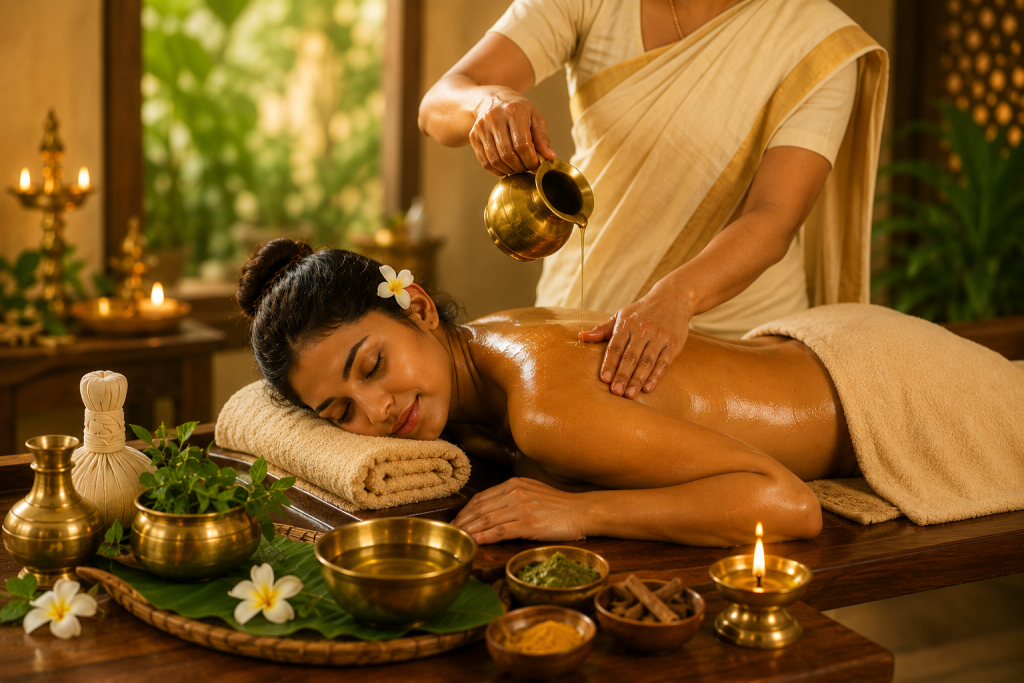
Abhyanga is a full-body massage using warm herbal oils selected according to an individual’s body constitution.
How Abhyanga Helps Stress Relief
The gentle massage movements stimulate the nervous system, improve blood circulation, and calm Vata dosha. The warmth of the oil deeply relaxes muscles and reduces tension.
Procedure
- Warm herbal oil is applied over the body.
- Therapists perform synchronized massage strokes.
- The treatment usually lasts 45–60 minutes.
- A steam bath may follow the massage.
Benefits of Abhyanga
- Deep relaxation
- Reduced muscle tension
- Improved blood circulation
- Better sleep
- Reduced anxiety
- Enhanced skin nourishment
- Improved energy flow
Regular Abhyanga helps maintain both physical and mental balance.
3. Takradhara
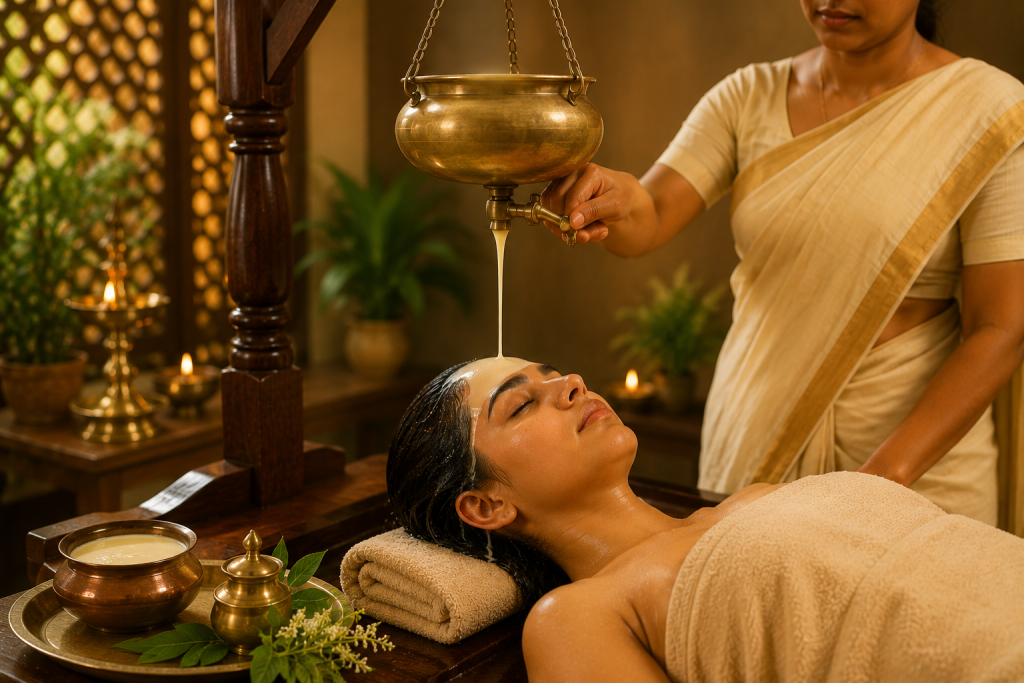
Takradhara is similar to Shirodhara, but instead of oil, medicated buttermilk is poured over the forehead.
Why Takradhara is Used
This therapy is especially beneficial for individuals with excess Pitta dosha, which is associated with anger, irritability, and mental burnout.
Benefits
- Reduces stress and anger
- Cools the mind and body
- Improves sleep
- Helps manage hypertension
- Relieves headaches
- Enhances mental calmness
Takradhara is often recommended during hot climates and for people with stress-related heat symptoms.
4. Nasya Therapy
Nasya is an Ayurvedic therapy involving the administration of herbal oils through the nostrils.
According to Ayurveda, the nose is the gateway to the brain. Nasya helps clear mental fog, relieve tension, and improve sensory function.
Procedure
- Gentle face and head massage is performed.
- Warm herbal oil is instilled into the nostrils.
- The patient inhales deeply.
- Excess mucus is expelled.
Benefits of Nasya
- Clears mental stress
- Improves concentration
- Relieves sinus congestion
- Reduces headaches
- Enhances mental clarity
- Supports better sleep
Nasya is commonly used alongside other stress management therapies.
Panchakarma for Mental Detoxification
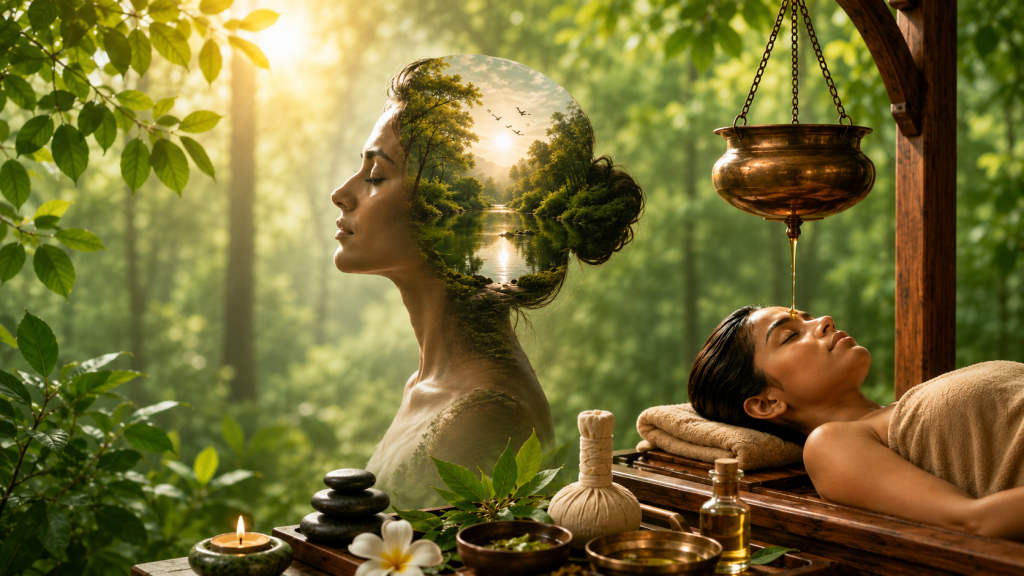
Panchakarma is a comprehensive Ayurvedic detoxification program designed to remove toxins from the body and restore balance.
Stress often accumulates toxins in both body and mind. Panchakarma therapies help cleanse these toxins naturally.
Panchakarma Therapies for Relaxation
- Abhyanga
- Shirodhara
- Steam therapy
- Herbal enemas
- Nasya
Mental Health Benefits
- Emotional cleansing
- Better sleep
- Improved mental clarity
- Reduced anxiety
- Enhanced energy levels
Panchakarma is considered highly rejuvenating for individuals dealing with chronic stress and burnout.
Herbal Remedies for Stress Relief
Ayurveda uses various herbs known for their calming and rejuvenating properties.
Ashwagandha
Ashwagandha is one of the most popular Ayurvedic herbs for stress management.
Benefits
- Reduces cortisol levels
- Enhances energy
- Supports better sleep
- Reduces anxiety
- Improves mental stamina
Brahmi
Brahmi is known for improving memory and calming the mind.
Benefits
- Enhances concentration
- Reduces mental fatigue
- Supports emotional balance
- Improves cognitive function
Jatamansi
Jatamansi is traditionally used for insomnia and nervous disorders.
Benefits
- Promotes relaxation
- Supports healthy sleep
- Calms the nervous system
- Reduces anxiety
Ayurvedic Diet for Stress Management
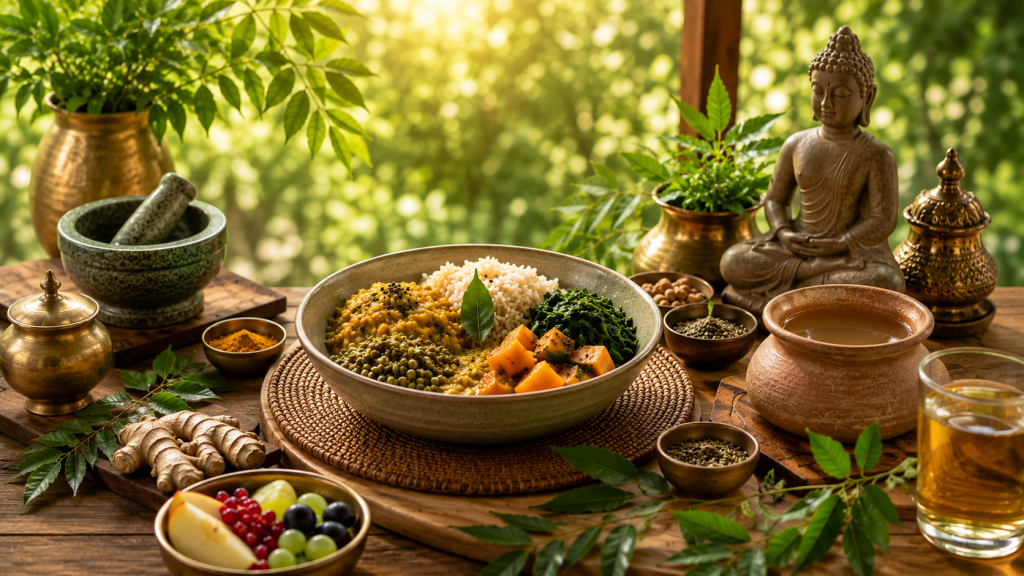
Diet plays an important role in maintaining emotional stability. Ayurveda recommends foods that nourish the nervous system and balance Vata dosha.
Recommended Foods
- Warm cooked meals
- Herbal teas
- Ghee
- Almonds
- Fresh fruits
- Whole grains
- Milk with spices
- Soups and stews
Foods to Avoid
- Excess caffeine
- Processed foods
- Cold drinks
- Excess spicy foods
- Refined sugar
- Fast food
Eating regular meals and maintaining proper digestion are essential for mental wellness in Ayurveda.
Yoga and Meditation in Ayurveda
Yoga and meditation are closely connected with Ayurvedic healing.
Benefits of Yoga for Stress Relief
- Improves flexibility
- Relaxes muscles
- Enhances breathing
- Calms the mind
- Improves emotional balance
Helpful Yoga Poses
- Child’s Pose
- Forward Bend
- Cobra Pose
- Legs-Up-the-Wall Pose
- Corpse Pose (Shavasana)
Meditation Practices
Meditation helps reduce mental noise and promotes inner peace.
Benefits
- Reduced anxiety
- Better concentration
- Emotional stability
- Improved sleep
- Increased mindfulness
Daily meditation, even for 10–20 minutes, can significantly reduce stress levels.
Importance of Sleep in Ayurveda
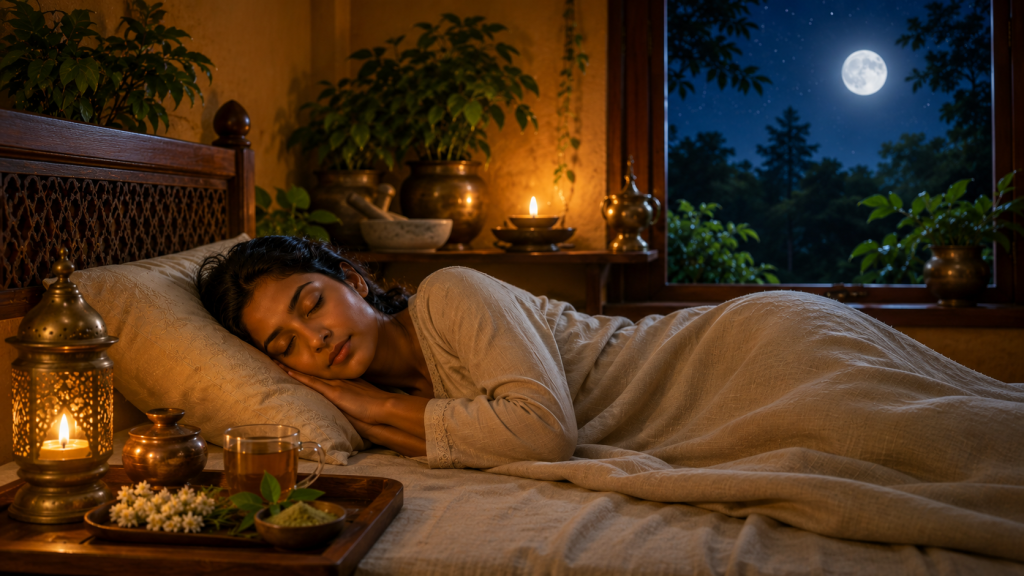
Ayurveda considers sleep one of the three pillars of health.
Poor sleep increases stress and weakens immunity. Ayurvedic therapies help regulate natural sleep cycles.
Tips for Better Sleep
- Sleep before 10 PM
- Avoid screens before bedtime
- Drink warm herbal milk
- Practice meditation
- Use calming oils
- Maintain a regular sleep schedule
Shirodhara and Abhyanga are particularly beneficial for insomnia and restless sleep.
Lifestyle Practices for Mental Relaxation
Ayurveda emphasizes daily routines for maintaining mental health.
Dinacharya (Daily Routine)
A balanced daily routine helps stabilize the mind and body.
Healthy Daily Practices
- Wake up early
- Practice yoga
- Oil massage
- Meditation
- Healthy meals
- Proper hydration
- Adequate sleep
Consistency in daily habits helps prevent stress accumulation.
Ayurvedic Aromatherapy
Herbal oils and natural fragrances are often used in Ayurveda to calm the mind.
Common Relaxing Aromas
- Sandalwood
- Lavender
- Rose
- Jasmine
- Tulsi
These natural aromas support emotional balance and relaxation.
Who Can Benefit from Ayurvedic Stress Relief Therapies?
Ayurvedic therapies are suitable for:
- Working professionals
- Students
- Elderly individuals
- People with insomnia
- Individuals with anxiety
- Those experiencing burnout
- People with chronic fatigue
- Individuals seeking natural wellness
However, therapies should always be performed under qualified Ayurvedic supervision.
Precautions and Considerations
Although Ayurvedic therapies are generally safe, certain precautions are necessary.
Important Considerations
- Pregnant women should consult a doctor
- People with severe medical conditions need professional guidance
- Herbal medicines should not be self-prescribed
- Proper diagnosis is essential before therapy
- Panchakarma should be performed only at certified centers
Choosing experienced Ayurvedic practitioners ensures safety and effectiveness.
Modern Relevance of Ayurvedic Stress Management
Modern lifestyles have significantly increased mental stress across all age groups. Many individuals now seek natural alternatives to medications and temporary solutions.
Ayurveda has gained popularity because it:
- Focuses on root-cause healing
- Promotes holistic wellness
- Uses natural therapies
- Encourages healthy routines
- Supports long-term mental balance
Today, Ayurvedic wellness centers and hospitals worldwide offer specialized stress management programs combining traditional therapies with modern wellness practices.
Conclusion
Ayurveda offers a comprehensive and natural approach to stress relief and relaxation. Instead of simply suppressing symptoms, Ayurveda aims to restore harmony between the body, mind, and spirit. Therapies such as Shirodhara, Abhyanga, Takradhara, Nasya, Panchakarma, yoga, meditation, and herbal remedies work together to calm the nervous system and improve emotional well-being.
In a world where stress has become unavoidable, Ayurvedic healing provides a gentle yet effective path toward inner peace, better sleep, improved energy, and overall wellness. By adopting Ayurvedic lifestyle practices and therapies, individuals can achieve long-lasting relaxation and a healthier, more balanced life naturally.
Website: Dr.K.Dhanvanthri Ayurveda Vaidya Salai
Read Also: Ayurvedic Treatment for Arthritis in Madurai | Dhanvanthri Ayurvedic Hospital Madurai
