

Modern life has brought remarkable convenience, technological advancement, and comfort. However, it has also introduced a wide range of lifestyle-related health problems. Long working hours, irregular sleep patterns, unhealthy eating habits, excessive screen time, stress, lack of physical activity, and environmental pollution have significantly affected human health. Conditions such as stress, anxiety, obesity, diabetes, hypertension, digestive disorders, insomnia, and chronic fatigue are increasingly common across all age groups.
While modern medicine offers immediate symptom relief, many people are now turning toward holistic healing systems that focus on long-term wellness and root-cause treatment. Ayurveda, the ancient Indian system of medicine, has emerged as one of the most trusted natural healing approaches for managing modern lifestyle disorders.
Ayurveda does not simply treat diseases; it aims to restore balance within the body, mind, and spirit. Through personalized treatments, herbal medicines, detox therapies, dietary guidance, yoga, and lifestyle modifications, Ayurveda offers sustainable healing and preventive healthcare.
This article explores the top benefits of Ayurvedic treatments for modern lifestyle disorders and explains why Ayurveda continues to gain global recognition in today’s fast-paced world.
Understanding Lifestyle Disorders in Modern Life
Lifestyle disorders are health conditions primarily caused by unhealthy daily habits and stress-related factors. Unlike infectious diseases, these disorders develop gradually over time due to poor lifestyle choices.
Common lifestyle disorders include:
- Stress and anxiety
- Obesity
- Diabetes
- Hypertension
- Digestive disorders
- Insomnia
- Chronic fatigue
- Joint pain and muscle stiffness
- Hormonal imbalance
- Depression
- PCOS
- Migraine
- Back pain
According to Ayurveda, these conditions arise when the body’s natural balance of the three doshas — Vata, Pitta, and Kapha — becomes disturbed.
Modern lifestyles often aggravate:
- Vata through stress, anxiety, overthinking, and irregular routines
- Pitta through excessive work pressure, anger, heat, and unhealthy food
- Kapha through inactivity, overeating, and poor metabolism
Ayurvedic treatments aim to restore doshic balance and improve overall vitality.
Holistic Healing Approach
One of the greatest benefits of Ayurvedic treatment is its holistic approach to healing. Ayurveda considers the body, mind, emotions, and lifestyle as interconnected.
Instead of focusing only on symptoms, Ayurveda seeks to identify and correct the root cause of disease.
For example:
- Chronic acidity may be linked to stress and irregular eating habits.
- Insomnia may result from excessive mental activity and Vata imbalance.
- Obesity may arise from poor digestion and Kapha aggravation.
Ayurvedic physicians evaluate multiple aspects including:
- Body constitution (Prakriti)
- Lifestyle habits
- Digestion
- Sleep patterns
- Mental health
- Emotional wellbeing
- Environmental influences
This personalized approach helps create long-lasting health improvements rather than temporary relief.
Natural and Safe Treatment Methods
Ayurvedic treatments primarily use natural therapies and herbal formulations derived from plants, minerals, oils, and medicinal herbs.

Common Ayurvedic herbs include:
- Ashwagandha
- Brahmi
- Turmeric
- Triphala
- Neem
- Tulsi
- Guduchi
- Amla
These herbs are known for their therapeutic properties and are traditionally used to improve immunity, digestion, stress management, and energy levels.
Ayurvedic therapies also include:
- Herbal oil massages
- Detoxification procedures
- Steam therapies
- Nasal cleansing
- Dietary regulation
- Meditation
- Yoga
When administered under professional supervision, Ayurvedic treatments are generally considered safe and gentle on the body.
Effective Stress Management
Stress has become one of the most serious modern health concerns. Constant work pressure, financial worries, social media overload, and lack of relaxation contribute to physical and mental exhaustion.
Ayurveda recognizes stress as a major factor that disrupts the nervous system and aggravates Vata dosha.
Ayurvedic stress management therapies help calm the mind, relax the nervous system, and improve emotional balance.
Popular Ayurvedic Therapies for Stress Relief
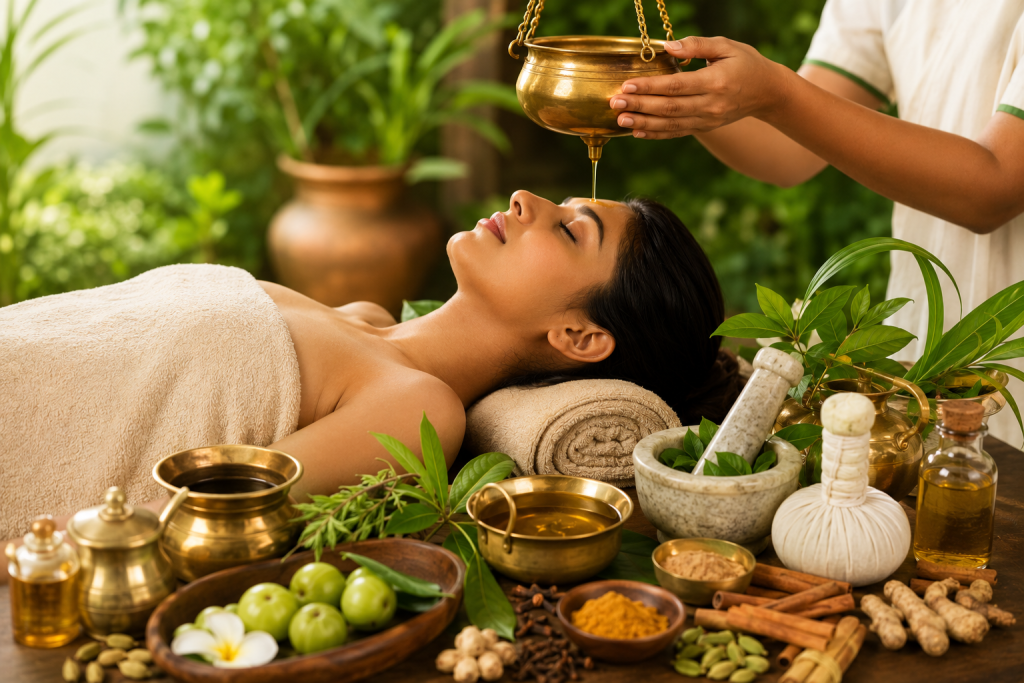
Shirodhara
Shirodhara involves gently pouring warm herbal oil over the forehead in a continuous stream. This deeply relaxing therapy is widely used for:
- Stress
- Anxiety
- Mental fatigue
- Sleep disorders
- Emotional imbalance
Abhyanga
Abhyanga is a full-body Ayurvedic oil massage that improves blood circulation, reduces muscle tension, and promotes deep relaxation.
Meditation and Yoga
Ayurveda often combines therapeutic yoga and breathing exercises to calm the mind and improve mental clarity.
Regular Ayurvedic stress management can improve:
- Emotional stability
- Sleep quality
- Concentration
- Energy levels
- Mood balance
Improved Digestion and Gut Health
Ayurveda considers digestion to be the foundation of health. Poor digestion leads to toxin accumulation (Ama), which contributes to many diseases.

Modern eating habits such as:
- Fast food consumption
- Irregular meal timing
- Processed foods
- Overeating
- Late-night eating
can weaken digestive fire (Agni).
Ayurvedic treatments focus on strengthening digestion naturally.
Benefits of Ayurvedic Digestive Care
- Enhances nutrient absorption
- Reduces bloating and acidity
- Improves bowel movements
- Supports liver function
- Helps eliminate toxins
- Prevents chronic digestive disorders
Ayurvedic herbs such as Triphala, ginger, cumin, and fennel are commonly used to improve digestion and metabolism.
Therapies like Panchakarma also help cleanse the digestive system and rejuvenate the body.
Natural Weight Management
Obesity and unhealthy weight gain are major lifestyle disorders affecting millions worldwide. Sedentary lifestyles and poor eating habits contribute significantly to metabolic imbalance.
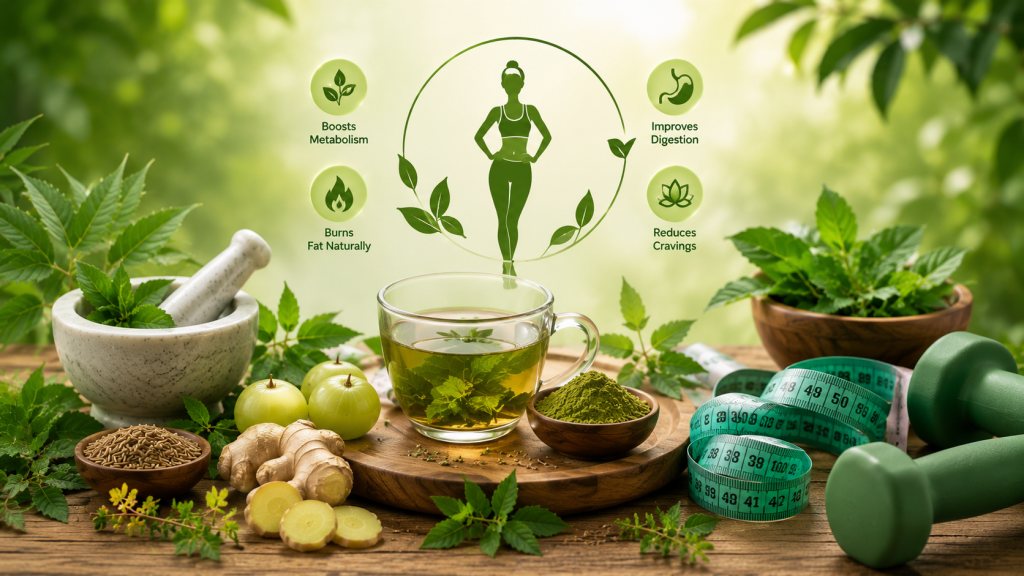
Ayurveda addresses obesity by improving digestion, balancing hormones, and enhancing metabolism rather than relying on extreme dieting.
Ayurvedic Approaches to Weight Management
Herbal Therapies
Herbs like Triphala, Guggulu, and Garcinia may support fat metabolism and detoxification.
Detoxification
Panchakarma therapies help remove toxins and improve metabolic efficiency.
Personalized Diet Plans
Ayurvedic diet recommendations are based on an individual’s body constitution and digestive capacity.
Lifestyle Corrections
Ayurveda emphasizes:
- Regular exercise
- Proper sleep
- Mindful eating
- Stress reduction
This balanced approach supports sustainable weight management without harming the body.
Better Sleep Quality
Sleep disorders have become extremely common in modern society due to stress, digital addiction, irregular work schedules, and mental overactivity.
Ayurveda identifies insomnia as a disorder mainly associated with aggravated Vata and disturbed mental balance.
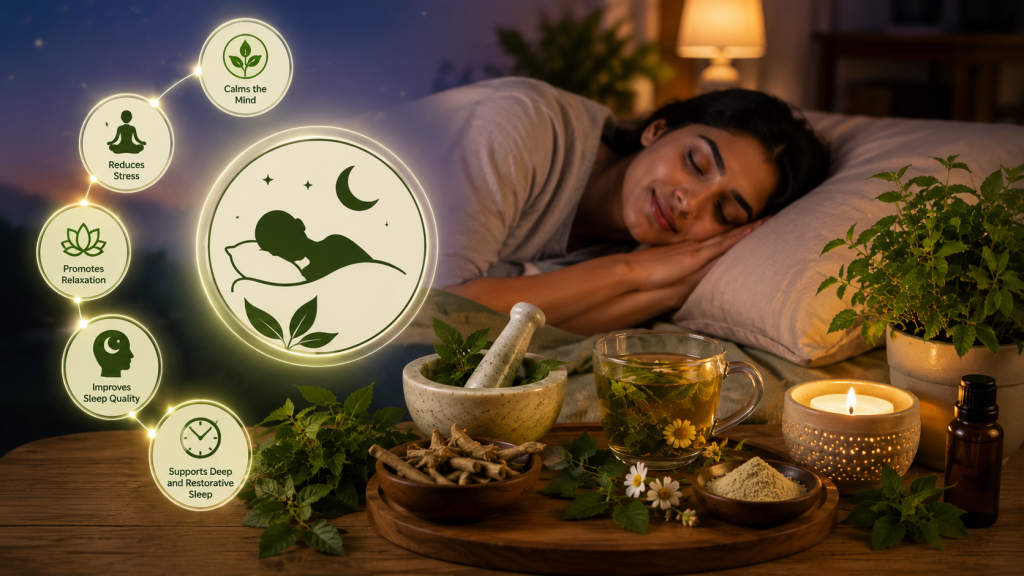
Ayurvedic treatments for better sleep include:
- Herbal medicines
- Relaxation therapies
- Oil massages
- Nasya therapy
- Meditation
- Sleep-supportive diet plans
Herbs Commonly Used for Sleep Support
- Ashwagandha
- Brahmi
- Jatamansi
- Tagara
Benefits of Ayurvedic sleep therapies include:
- Deeper sleep
- Reduced anxiety
- Mental relaxation
- Improved energy
- Better hormonal balance
Unlike strong sedatives, Ayurvedic methods aim to naturally restore healthy sleep cycles.
Detoxification Through Panchakarma
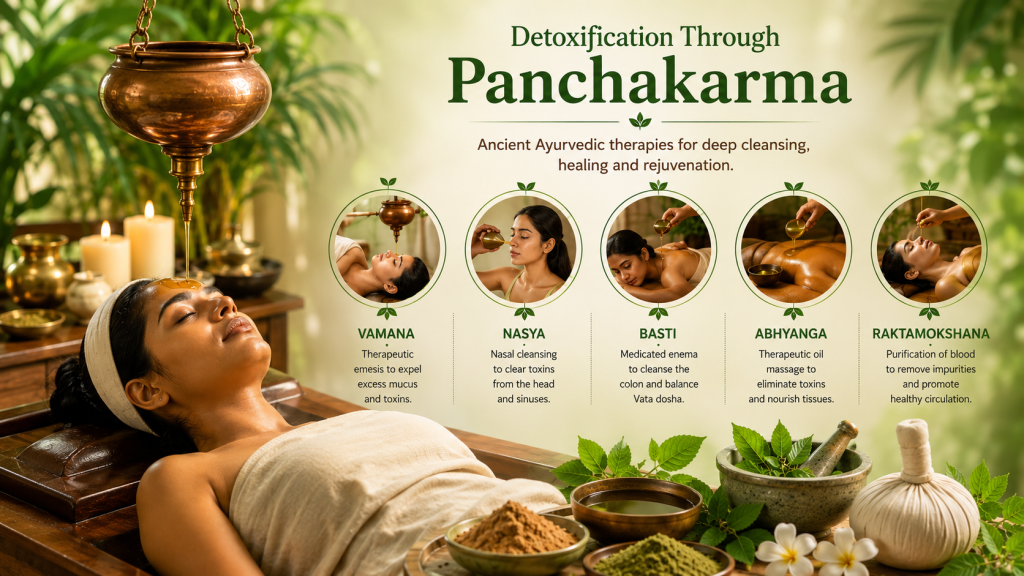
One of Ayurveda’s most unique contributions is Panchakarma, a comprehensive detoxification and rejuvenation therapy.
Modern lifestyles expose the body to:
- Pollution
- Processed foods
- Chemicals
- Mental stress
- Poor digestion
These factors contribute to toxin accumulation within the body.
Panchakarma helps eliminate toxins and restore doshic balance through specialized cleansing procedures.
Major Panchakarma Therapies
Vamana
Therapeutic emesis used for Kapha-related disorders.
Virechana
Herbal purgation for Pitta imbalance and liver detoxification.
Basti
Medicated enemas especially beneficial for Vata disorders.
Nasya
Nasal cleansing therapy for respiratory and neurological health.
Raktamokshana
Blood purification therapy in selected conditions.
Benefits of Panchakarma
- Improves immunity
- Enhances digestion
- Increases energy
- Reduces stress
- Supports joint health
- Improves skin health
- Rejuvenates body tissues
Many people undergo Panchakarma annually for preventive healthcare and rejuvenation.
Enhanced Immunity and Disease Prevention
Modern lifestyles can weaken the immune system due to stress, poor nutrition, sleep deprivation, and environmental toxins.
Ayurveda focuses strongly on preventive healthcare and immune enhancement.
The concept of Ojas in Ayurveda refers to the body’s vital energy and immunity.
Ayurvedic treatments improve Ojas through:
- Nutritious diet
- Herbal tonics
- Proper digestion
- Stress management
- Rejuvenation therapies
Immunity-Boosting Ayurvedic Herbs
- Chyawanprash
- Tulsi
- Guduchi
- Amla
- Turmeric
- Ashwagandha
Strong immunity not only helps prevent infections but also supports long-term vitality and healthy aging.
Management of Diabetes and Hypertension

Lifestyle-related diseases such as diabetes and hypertension are increasing rapidly worldwide.
Ayurveda offers supportive management strategies that help regulate metabolism and improve overall wellbeing.
Ayurvedic Benefits for Diabetes Management
- Supports healthy blood sugar balance
- Improves digestion and metabolism
- Encourages healthy weight management
- Reduces stress-related fluctuations
Common herbs used include:
- Fenugreek
- Bitter gourd
- Gudmar
- Turmeric
- Neem
Ayurvedic Support for Hypertension
Ayurvedic therapies help:
- Reduce stress
- Improve circulation
- Calm the nervous system
- Promote relaxation
Stress-reducing therapies such as Shirodhara and Abhyanga are often beneficial for individuals with hypertension.
Ayurveda should complement—not replace—medical supervision for chronic diseases.
Hormonal Balance and Women’s Health
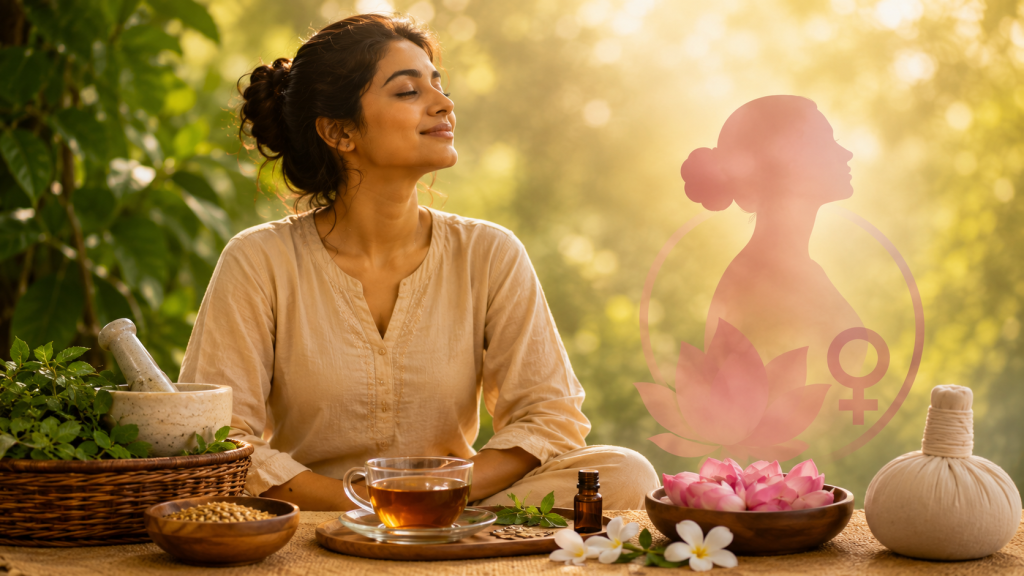
Modern lifestyle factors often contribute to hormonal imbalance in women.
Conditions commonly addressed through Ayurveda include:
- PCOS
- Menstrual irregularities
- Stress-related hormonal imbalance
- Menopausal symptoms
Ayurveda focuses on balancing hormones naturally through:
- Herbal medicines
- Detoxification
- Diet correction
- Stress management
- Lifestyle improvements
Ayurvedic care aims to improve reproductive health while supporting emotional wellbeing.
Relief from Musculoskeletal Problems
Long hours of sitting, poor posture, and lack of physical activity contribute to:
- Neck pain
- Back pain
- Joint stiffness
- Muscle fatigue
Ayurvedic therapies offer effective natural support for musculoskeletal disorders.
Common Therapies
Kati Basti
Warm medicated oil therapy for lower back pain.
Janu Basti
Localized knee therapy for joint stiffness and arthritis.
Pizhichil
Warm oil therapy that relaxes muscles and improves circulation.
Elakizhi
Herbal poultice massage used for pain relief and flexibility.
Benefits include:
- Improved mobility
- Reduced inflammation
- Muscle relaxation
- Better circulation
- Long-term joint support
Personalized Treatment Plans

Unlike generalized treatment approaches, Ayurveda emphasizes individualized care.
Two people with similar symptoms may receive entirely different treatments based on:
- Body constitution
- Dosha imbalance
- Digestive strength
- Age
- Lifestyle
- Mental state
This personalized approach improves treatment effectiveness and promotes sustainable healing.
Promotes Healthy Aging
Ayurveda places strong emphasis on rejuvenation and healthy aging through Rasayana therapies.
Modern lifestyle stress accelerates aging through:
- Oxidative stress
- Poor nutrition
- Sleep deprivation
- Chronic inflammation
Ayurvedic rejuvenation therapies help:
- Improve energy
- Maintain skin health
- Enhance memory
- Support immunity
- Increase vitality
Common rejuvenating herbs include:
- Amla
- Ashwagandha
- Shatavari
- Brahmi
These therapies support graceful aging and improved quality of life.
Mental Clarity and Emotional Wellbeing

Ayurveda recognizes the close connection between mental and physical health.
Modern lifestyles often result in:
- Mental fatigue
- Anxiety
- Emotional burnout
- Lack of focus
Ayurvedic treatments help restore mental balance through:
- Meditation
- Yoga
- Herbal support
- Oil therapies
- Breathing exercises
Benefits include:
- Improved concentration
- Emotional stability
- Reduced mental fatigue
- Enhanced productivity
- Greater inner calm
Preventive Healthcare Approach
One of Ayurveda’s greatest strengths is prevention.
Ayurveda encourages healthy daily routines known as Dinacharya and seasonal routines called Ritucharya.
Preventive Ayurvedic practices include:
- Early waking
- Proper digestion
- Regular exercise
- Oil massage
- Seasonal detoxification
- Balanced diet
- Mental relaxation
These habits help reduce the risk of chronic lifestyle diseases and support long-term wellness.
Increasing Global Popularity of Ayurveda

Today, Ayurveda is gaining international recognition due to increasing interest in:
- Natural healing
- Holistic wellness
- Stress management
- Preventive healthcare
- Integrative medicine
People worldwide are seeking alternatives to excessive medication use and are embracing Ayurveda for its gentle, sustainable healing principles.
Ayurvedic wellness centers, spas, hospitals, and retreat programs are now popular across many countries.
Conclusion
Modern lifestyle disorders have become one of the biggest health challenges of our time. Stress, poor eating habits, lack of physical activity, sleep disturbances, and emotional imbalance are negatively affecting overall wellbeing.
Ayurveda offers a comprehensive and holistic solution by addressing the root causes of disease rather than simply suppressing symptoms. Through natural therapies, herbal medicine, detoxification, personalized diet plans, yoga, meditation, and lifestyle correction, Ayurveda supports both physical and mental wellness.
WEBSITE : Dr.K.Dhanvanthri Ayurveda Vaidya Salai

The benefits of Ayurvedic treatments for modern lifestyle disorders include:
- Stress reduction
- Better digestion
- Improved sleep
- Natural detoxification
- Enhanced immunity
- Weight management
- Hormonal balance
- Joint support
- Emotional wellbeing
- Preventive healthcare
As more individuals seek sustainable and natural approaches to health, Ayurveda continues to provide timeless wisdom for achieving balance, vitality, and long-term wellness in today’s fast-paced world.
Read Also : Ayurvedic Therapies for Stress Relief and Relaxation: Natural Healing Methods for Mind and Body
Read Also : Ayurvedic Treatment for Arthritis in Madurai | Dhanvanthri Ayurvedic Hospital Madurai
