Swedana: The Complete Guide to Ayurvedic Sweat Therapy
The ancient wisdom of Ayurveda offers a multitude of pathways to health and wellness, and among its most powerful and effective treatments is Swedana. While sometimes simply referred to as "Ayurvedic sweat therapy," this traditional practice is far more sophisticated than a typical sauna session, offering deep, systemic detoxification and therapeutic benefits.
Rooted in the fundamental principles of Ayurveda, Swedana plays a crucial role in maintaining balance within the doshas, the governing forces of the body. Whether you are dealing with chronic pain, respiratory issues, or simply seeking a deep, rejuvenating cleanse, understanding the science and art of Swedana is key. This article will provide a comprehensive overview of this profound treatment, exploring its benefits, procedures, varieties, and its essential role in a holistic approach to health.
Understanding the Essence of Swedana
Swedana, derived from the Sanskrit word 'Swid,' which means 'to sweat,' is one of the pillars of Panchakarma, Ayurveda's powerful five-fold detoxification process. It belongs to the Purvakarma (preparatory) phase, often performed following Abhyanga (oil massage) and Snehana (oleation). However, Swedana can also stand alone as a potent therapeutic treatment, depending on an individual's unique needs.
At its core, the primary objective of Swedana is to generate localized or generalized heat, thereby stimulating perspiration. However, it's not simply the heat that heals; it's the specific manner in which that heat is applied and its interaction with the body. Traditional Swedana aims to liquify the body's accumulated toxins (ama), which are otherwise sticky and difficult to remove. This process of heating allows toxins trapped in the deeper tissues to move to the digestive tract, from where they can be effectively eliminated from the system.
The Holistic Benefits of Swedana Therapy
The therapeutic scope of Swedana is truly remarkable, with its benefits extending to nearly every system of the body. From physical detoxification to mental relaxation, it is a deeply impactful practice. Key benefits include:
- Deep Detoxification: This is arguably the most significant benefit. The induced sweating helps the body flush out ama (toxins) and other metabolic waste, cleansing the blood and purifying the organs.
- Pain Relief: Swedana is incredibly effective in managing musculoskeletal issues. The heat relaxes stiff and cramped muscles, reduces inflammation, and relieves pain in conditions like arthritis, back pain, and sciatica.
- Improved Circulation: The therapeutic heat causes blood vessels to dilate (vasodilation), which significantly boosts blood and lymph circulation. This enhanced flow ensures that oxygen and nutrients are efficiently delivered to all body tissues.
- Stress and Anxiety Reduction: A key aspect of Swedana is its profound effect on the nervous system. The warmth and stillness help calm the mind, relieve tension, and alleviate stress and anxiety, promoting deep relaxation.
- Respiratory Support: For those suffering from congestion, allergies, bronchitis, or asthma, Swedana can provide immense relief. The steam helps to open up nasal passages, reduce mucus buildup, and soothe the respiratory tract.
- Skin Rejuvenation: The heavy perspiration helps to clear the pores, removing dead skin cells and impurities. The increased circulation gives the skin a healthy, natural glow, making it look radiant and rejuvenated.
- Weight Management: While not a primary weight loss tool, Swedana can complement a comprehensive weight management plan by aiding detoxification and improving metabolic efficiency.
Different Types and Techniques of Swedana
In Ayurvedic practice, Swedana is not a 'one-size-fits-all' treatment. Practitioners customize the experience based on the individual's constitution (dosha), the nature of their ailment, and their overall strength. Swedana can be categorized based on whether it uses fire and direct heat or other means of producing warmth. Here are some of the most common methods:
1. Bashpa Sweda (Steam Bath)
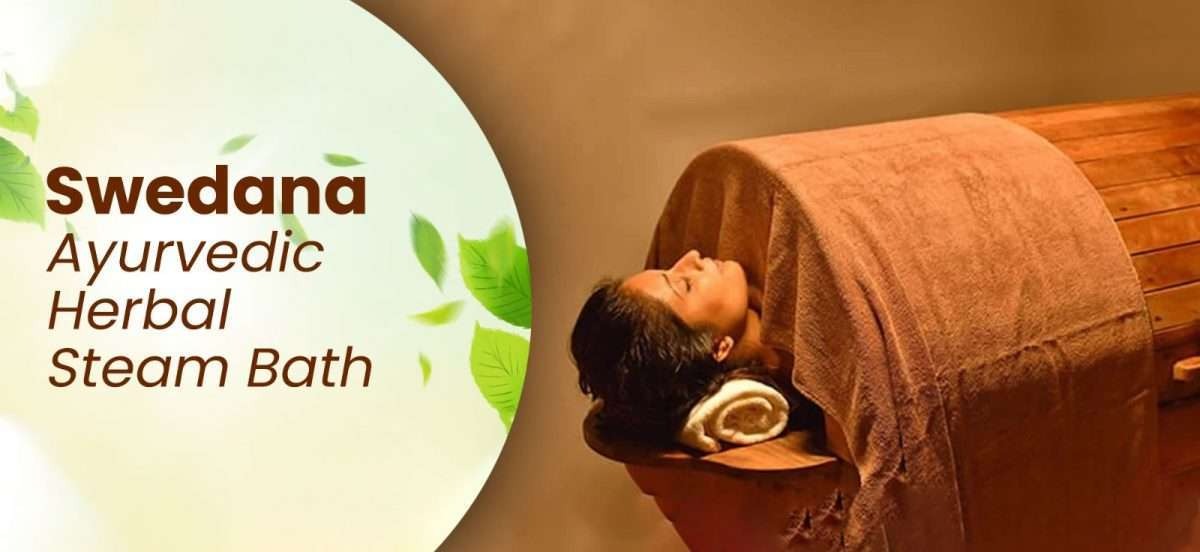
This is perhaps the most well-known form of Swedana. It involves generating steam by boiling a decoction of specific Ayurvedic herbs. The steam is then introduced into a specialized chamber or tent. The selection of herbs is crucial and is personalized to the patient's condition. For instance, Dashamoola, a powerful blend of ten traditional roots, is frequently used for its potent anti-inflammatory and pain-relieving properties.
The Bashpa Sweda experience usually begins with an Abhyanga (oil massage) to prepare the body and warm the muscles. The body is then exposed to the warm, herbal-infused steam, while the head is often kept cool or covered to prevent overheating. This method provides deep systemic benefits, opening channels and facilitating the removal of deep-seated toxins.
2. Pinda Sweda (Polus Sweda)
This unique form of Swedana involves using soft boluses, called pindas, filled with warm, therapeutic substances. The content of the pindas varies:
- Patra Pinda Sweda (Elakizhi): The boluses are packed with medicated herbs and leaves, such as Nirgundi and Arka, which are then heated in medicinal oils like Dhanwantharam Thailam. This technique is specifically targetted towards relieving muscular stiffness, joint pain, and inflammatory conditions. The combination of heat, medicated oil, and the therapeutic properties of the herbs makes it highly effective.
- Shashtika Shali Pinda Sweda (Navarakizhi): The pindas are filled with a special type of rice called Shashtika Shali (a 60-day rice variety), which has been cooked in a decoction of the Bala herb and milk. This luxurious treatment is not only warm but also incredibly nourishing and is often used to treat nervous system disorders, strengthen the body, and counter muscle wasting.
3. Valuka Sweda (Sand Fomentation)
This specialized technique uses bags of heated sand, often infused with specific herbs. This provides a gentle, radiating dry heat that penetrates deeply into the tissues. It is particularly effective in reducing pain and swelling in cases of Rheumatoid arthritis (Amavata) and other Kapha-based inflammatory conditions. The dry heat helps 'ripen' and mobilize toxins associated with inflammation.
The Essential Steps of a Swedana Treatment
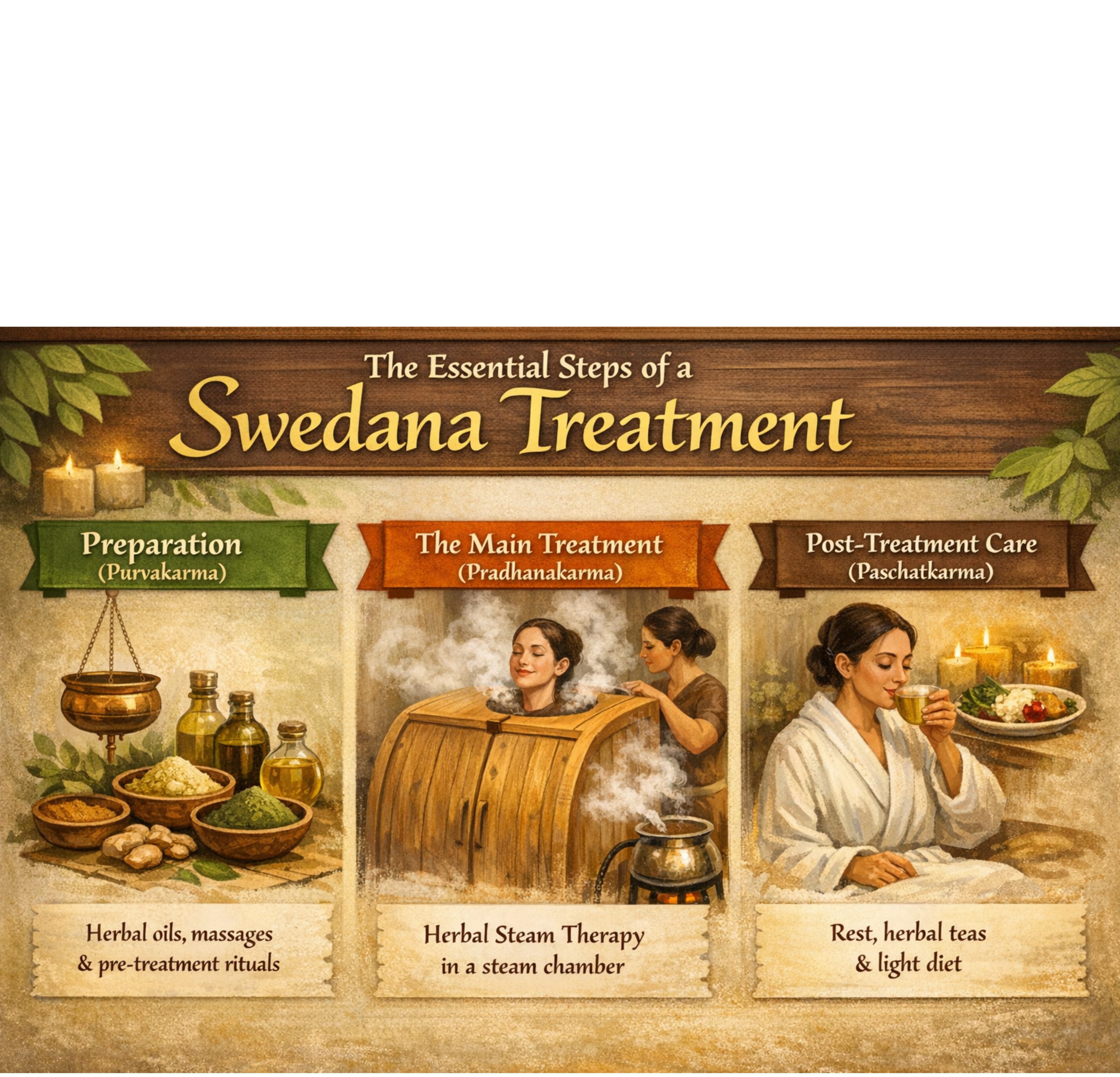
A typical Swedana session is a multi-layered experience that follows a precise protocol, beginning with thorough preparation.
Preparation (Purvakarma):
The session always begins with Snehana (oleation). This involves a systematic Abhyanga, an full-body oil massage using warm, medicated oils tailored to the individual. The massage prepares the tissues by loosening toxins and lubricating the internal channels (shrotas). The warm oil itself helps the skin absorb heat more efficiently.
The Main Treatment (Pradhanakarma):
Depending on the chosen method, the actual Swedana procedure begins. This is where the core heat is applied. The patient is made comfortable in the appropriate setting—either the steam chamber for Bashpa Sweda or lying down for Pinda Sweda.
The session typically lasts for 20 to 30 minutes, or until the point of Samyak Swidna Lakshana, or signs of proper sweating. These signs include clear perspiration, a feeling of body lightness, and general comfort. Crucially, the head and heart area are always protected from excess heat, often with cool compresses or specialized covers.
Post-Treatment Care (Paschatkarma):
Following the heat application, the patient needs time to recover and readjust. After emerging from the treatment, they are given warm, purified water to drink to replenish lost fluids and aid detoxification. The remaining oil is gently wiped off.
A crucial part of the process is immediate rest. The patient should lie down in a warm, comfortable room and avoid any sudden exposure to cold air, drafts, or wind. After a period of rest, a warm bath or shower is recommended to remove the residual sweat and toxins, but the water should not be excessively hot. The post-treatment period should be marked by continued hydration and light, easily digestible meals for the next few hours.
Important Precautions and Contraindications
While Swedana is a generally safe and beneficial practice, it is not suitable for everyone. Heat can be very potent and must be used with caution, particularly for individuals with certain health conditions.
It is absolutely crucial to consult a qualified Ayurvedic physician before undergoing Swedana. They will assess your Prakriti (constitution), Vikriti (current imbalance), and overall health to determine if Swedana is appropriate and safe for you.
Common contraindications for Swedana include:
- Individuals with a very high Pitta constitution or a current Pitta imbalance, as the heat can aggravate this dosha.
- Those with cardiovascular conditions, high blood pressure, or a history of stroke.
- Individuals with acute inflammatory conditions, skin diseases, or fevers.
- Pregnant women.
- Women during their menstrual cycle.
- Individuals who are extremely weak, emaciated, or dehydrated.
The Synergistic Power of Swedana: Beyond a Simple Sauna
While it's easy to compare Swedana to a modern-day sauna or steam bath, the differences are profound and foundational. Swedana is a complete therapeutic system, not just a way to generate sweat.
The key differences lie in the core approach:
- Therapeutic Intent: Unlike a spa treatment focused solely on relaxation, Swedana is designed to achieve specific clinical outcomes, such as mobilizing ama, reducing inflammation, or soothing the nervous system.
- Aided by Sneha (Oil): The essential practice of pre-treating the body with medicated oils makes Swedana uniquely effective. The oils penetrate the tissues, facilitating detoxification and preventing the skin from drying out or becoming irritated.
- Infusion of Herbs: The inclusion of medicinal herbs in the steam or boluses is what elevates Swedana from simple hydrotherapy to a powerful Ayurvedic treatment. Each herb brings its unique medicinal profile, enhancing the overall effect.
- Protection of Vital Organs: Traditional Swedana is administered with a meticulous understanding of the body's vulnerabilities. The consistent emphasis on protecting the head and heart from excessive heat prevents potential side effects that can occur with simple, unregulated sweating.
- Post-Treatment Integration: The careful transition back to normal temperature and the emphasis on rest, proper hydration, and diet are integral to the success of Swedana, allowing the body to integrate and absorb the full therapeutic benefits.
In Summary: Swedana as a Gateway to True Health
Swedana is a testament to the profound wisdom of Ayurveda, offering a unique and powerful path to holistic healing. Far from a simple indulgence, it is a sophisticated therapeutic tool for deep detoxification, pain management, stress reduction, and systemic rejuvenation. By opening the body's channels and mobilizing entrenched toxins, Swedana helps us access a level of deep cleansing and repair that is often inaccessible through other means.
However, the key to unlocking the true benefits of Swedana lies in understanding it as a customized and precise medical practice. It is not something to be done lightly or without expert guidance. For anyone seeking to experience the true power of this ancient art, consulting with a qualified Ayurvedic practitioner is essential. They can curate a personalized Swedana plan that is safe, effective, and tailored to your unique journey toward health and vitality.
Through the targeted application of therapeutic heat, medicated oils, and the bounty of nature's herbs, Swedana offers a transformative experience. It is more than just a sweat; it is a gateway to profound detoxification, unparalleled relief, and a lasting state of balanced, vibrant well-being. By embracing this ancient practice, we allow ourselves to reset, rejuvenate, and reconnect with our body's innate capacity for healing.
Book Appointment for Swedana Treatment
At our Dhanvanthri Ayurveda Vaidya Salai, Swedana therapy is designed to detoxify, relax, and rejuvenate your body naturally. Our experienced therapists ensure a personalized healing experience. Book your appointment now for complete wellness.
Frequently Asked Questions
While both involve heat and sweating, they are fundamentally different. A regular sauna uses dry or moist heat for general relaxation. Swedana is a clinical Ayurvedic therapy that:
- Follows Abhyanga (oil massage) to ensure toxins are loosened first.
- Uses herbal decoctions (Kashayams) in the steam, tailored to your body type.
- Strictly protects the head and heart from heat, which is a key safety rule in Ayurveda that modern saunas often overlook.
- Enhance Sleep: Often recommended for those struggling with insomnia or anxiety.
- Anti-Aging: Improves skin tone and elasticity while strengthening the immune system.
While you can take a warm bath or use a home steam cabinet, a traditional "Therapeutic Swedana" should be done under the guidance of an Ayurvedic practitioner. The choice of oils, herbs, and the duration of the heat application depends on your Dosha (Vata, Pitta, or Kapha). Incorrect use of heat can aggravate Pitta and lead to dizziness or skin rashes.
The steam portion usually lasts between 10 to 20 minutes. However, the entire process—including the preparatory oil massage and the post-treatment rest—takes about 60 to 90 minutes. The practitioner looks for specific signs, like sweat on the forehead or nose, to decide when to stop.
- Before: It is best to have a very light meal at least 1–2 hours before the session. Do not undergo Swedana on a full stomach.
- After: Drink warm water or herbal tea to rehydrate. Eat a light, warm, and easily digestible meal (like Kitchari or soup) about an hour after the session. Avoid cold drinks or heavy, fried foods.
Swedana helps in "liquefying" fat and removing water retention and toxins. While it can help reduce inches and bloating immediately, it is most effective for weight loss when combined with Udvartana (herbal powder massage) and a proper Ayurvedic diet. It boosts metabolism rather than just burning fat directly.
For general detoxification and relaxation, once a week or once every two weeks is beneficial. For chronic conditions like arthritis or respiratory issues, a doctor might recommend a continuous course of 7, 14, or 21 days as part of a Panchakarma cleanse.
You can get authentic Swedana therapy at Dhanvanthri Ayurveda Vaidya Salai in Madurai from experienced Ayurvedic practitioners.