Vasti Ayurveda Treatment: Types, Benefits, Procedure & Who Should Take It
Ayurveda, the ancient Indian system of medicine, emphasizes balance in the body's three doshas—Vata, Pitta, and Kapha—for optimal health. Among the various detoxification therapies described in Ayurveda, Vasti holds a special place. It is considered one of the most powerful treatments within Panchakarma, the five-fold purification process designed to eliminate toxins (Ama) and restore balance.
Vasti therapy primarily focuses on regulating Vata dosha, which governs movement, the nervous system, and overall physiological functions. Because Vata is considered the most influential dosha, controlling it can help manage a wide range of disorders.
This article explores everything you need to know about Vasti—its types, benefits, procedure, indications, and its importance in holistic healing.
What is Vasti in Ayurveda?
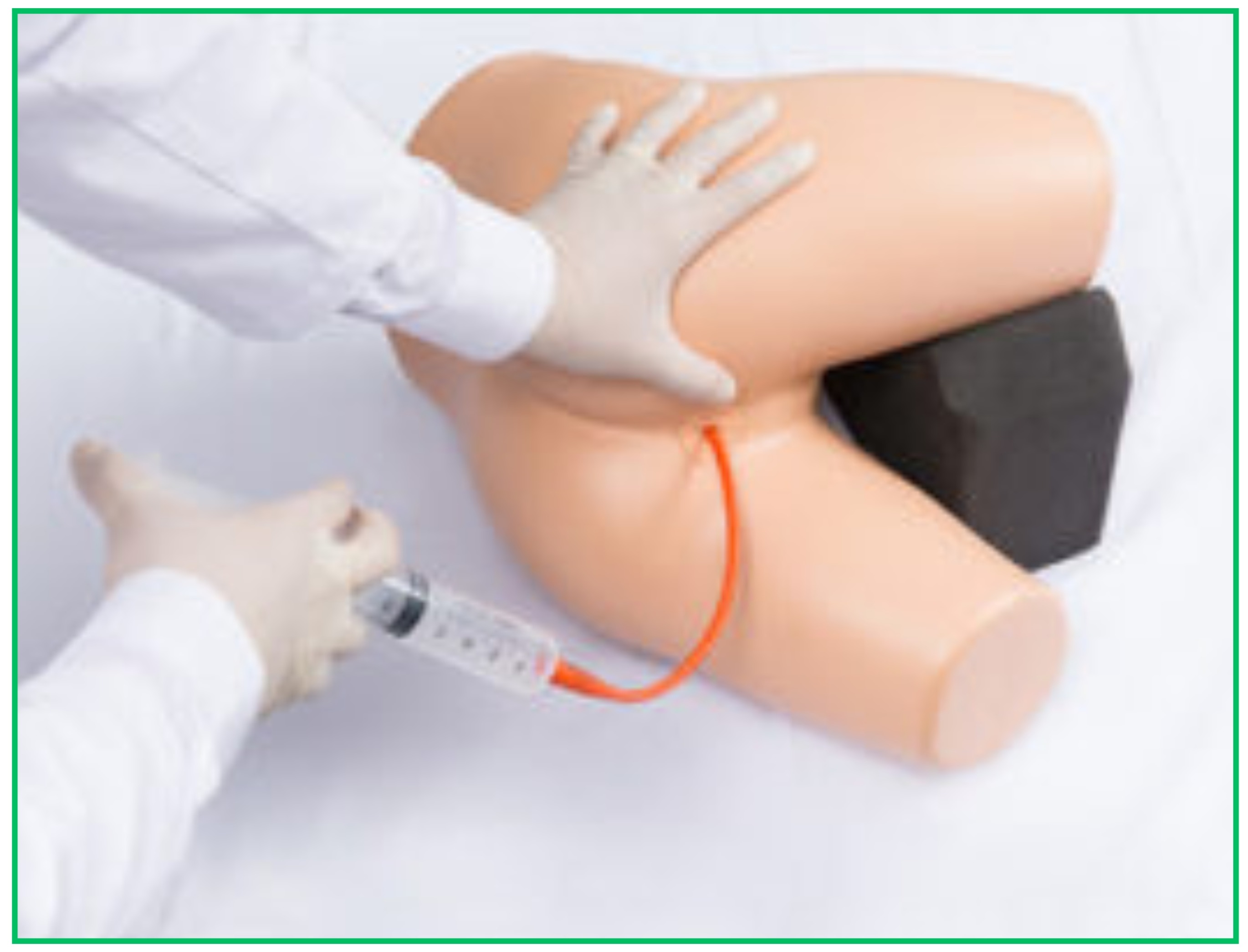
Vasti (also spelled Basti) is a therapeutic enema treatment in Ayurveda where medicated oils, herbal decoctions, or other substances are administered through the rectum. Unlike conventional enemas used only for bowel cleansing, Ayurvedic Vasti has a deeper purpose—it nourishes, detoxifies, and balances the body at a systemic level.
The colon is considered the main seat of Vata dosha, and by delivering medication directly to this region, Vasti helps in regulating Vata effectively.
Why is Vasti Considered So Important?
In classical Ayurvedic texts, Vasti is often referred to as "half of the entire treatment" due to its powerful impact on health.
Key reasons for its importance:
- Directly balances Vata dosha
- Eliminates accumulated toxins from the colon
- Nourishes body tissues (Dhatus)
- Improves strength and immunity
- Supports nervous system health
- Enhances digestion and metabolism
Because Vata governs many bodily functions, correcting it through Vasti can influence multiple systems simultaneously.
Types of Vasti in Ayurveda
Vasti therapy is broadly categorized into two main types, often used together for maximum therapeutic effect.
1. Sneha Vasti (Oil Enema)
Sneha Vasti involves the use of medicated oils or ghee.
Features:
- Oil-based and nourishing
- Provides lubrication to the intestines
- Calms aggravated Vata
- Gentle and rejuvenating
Benefits:
- Relieves dryness in the body
- Strengthens tissues
- Improves flexibility and joint health
- Supports reproductive health
2. Kashaya Vasti (Decoction Enema)
Kashaya Vasti uses herbal decoctions prepared from medicinal plants.
Features:
- Water-based and detoxifying
- Strong cleansing action
- Removes toxins effectively
Benefits:
- Clears accumulated waste
- Improves digestion
- Reduces inflammation
- Helps in metabolic disorders
Other Specialized Types of Vasti
Ayurveda also describes several variations based on therapeutic needs:
- Niruha Vasti – Decoction-based cleansing enema
- Anuvasana Vasti – Oil-based nourishing enema
- Matra Vasti – Small dose oil enema, safe for daily use
- Uttara Vasti – Administered through urinary or reproductive channels for specific conditions
The Procedure of Vasti Therapy
Vasti is not a standalone procedure—it is performed as part of a structured Panchakarma process involving preparation, administration, and post-care.
1. Purva Karma (Preparation Phase)
Before Vasti, the body is prepared to receive the therapy.
Includes:
- Snehana (Oleation): Internal or external application of medicated oils
- Swedana (Sudation): Steam therapy to open channels and loosen toxins
This stage ensures that toxins are mobilized and ready for elimination.
2. Pradhana Karma (Main Procedure)
This is the actual administration of Vasti.
Steps:
- The patient lies in a comfortable position
- Warm medicated oil or decoction is introduced through the rectum
- The fluid is retained for a specific duration (varies based on type)
- The body absorbs the medicinal properties
The procedure is performed under expert supervision to ensure safety and effectiveness.
3. Paschat Karma (Post-Treatment Care)
After Vasti, proper care is essential to maintain the benefits.
Includes:
- Light and easily digestible diet
- Adequate rest
- Avoidance of stress and exertion
Following these guidelines helps the body recover and maximize healing.
Health Benefits of Vasti Therapy
Vasti is a versatile therapy with wide-ranging benefits for physical and mental health.
1. Balances Vata Dosha
Since Vata is responsible for movement and nervous system function, balancing it helps in reducing pain, stiffness, and neurological issues.
2. Detoxifies the Body
Vasti removes accumulated toxins from the colon and improves overall metabolic function.
3. Improves Digestion
By regulating Vata, Vasti enhances digestive fire (Agni), leading to better digestion and nutrient absorption.
4. Strengthens the Nervous System
It has a calming effect on the nervous system, making it beneficial for stress, anxiety, and neurological disorders.
5. Relieves Chronic Pain
Conditions like arthritis, lower back pain, and sciatica respond well to Vasti therapy.
6. Enhances Immunity
By cleansing and nourishing the body, Vasti improves resistance to diseases.
7. Supports Reproductive Health
Certain types of Vasti are used in managing infertility and reproductive disorders.
Indications: Who Should Consider Vasti?
Vasti is recommended for a wide range of conditions, especially those related to Vata imbalance.
Common indications include:
- Chronic constipation
- Arthritis and joint disorders
- Lower back pain and sciatica
- Muscle stiffness and spasms
- Degenerative diseases
- Dryness in the body
- Infertility (in some cases)
- General weakness and fatigue
Who Should Avoid Vasti?
While Vasti is highly beneficial, it may not be suitable for everyone.
Avoid or take caution in:
- Acute fever or infections
- Severe diarrhea
- Pregnancy (in certain cases)
- Immediately after heavy meals
- Extremely weak or debilitated individuals (without supervision)
Always consult a qualified Ayurvedic practitioner before undergoing Vasti.
Diet and Lifestyle During Vasti Therapy
Diet plays a crucial role in the effectiveness of Vasti.
Recommended:
- Warm, freshly cooked foods
- Light and easily digestible meals (like rice, khichdi)
- Herbal teas and warm water
Avoid:
- Cold and processed foods
- Heavy, oily, or fried items
- Excess caffeine or alcohol
- Stress and irregular routines
A disciplined lifestyle enhances the results of the therapy.
Vasti in Modern Context
Today, Vasti is gaining popularity as a holistic therapy for chronic conditions and preventive healthcare. With increasing awareness about natural healing methods, many people are turning to Ayurveda for sustainable wellness.
Modern research also highlights the importance of gut health, which aligns with Ayurveda’s emphasis on colon cleansing and microbiome balance through therapies like Vasti.
How Often Should Vasti Be Done?
The frequency of Vasti depends on individual health conditions.
- Short-term therapy: 5–8 days as part of Panchakarma
- Chronic conditions: Periodic treatments as advised
- Maintenance: Matra Vasti can be used regularly under guidance
A personalized approach ensures the best outcomes.
In Summary
Vasti is one of Ayurveda’s most powerful and transformative therapies. By targeting the root cause of imbalance—especially Vata dosha—it offers deep detoxification, nourishment, and rejuvenation. Unlike superficial treatments, Vasti works at a systemic level, improving not just physical health but also mental and emotional well-being.
From chronic pain and digestive issues to neurological disorders and general wellness, Vasti has a wide range of applications. However, it should always be performed under the guidance of a qualified Ayurvedic practitioner to ensure safety and effectiveness.
In a world increasingly burdened by stress, toxins, and lifestyle disorders, Vasti stands as a timeless healing practice—restoring balance, vitality, and harmony in the body.
Book Appointment for Vasti Treatment
Book your Vasti treatment today to detoxify your body, balance Pitta, and restore overall health and clarity. Book your appointment now for complete wellness.
Frequently Asked Questions
Vasti is a Panchakarma therapy in Ayurveda that involves administering medicated oils or herbal decoctions through the rectum. It helps detoxify the body and balance Vata dosha.
The main types of Vasti are Sneha Vasti (oil-based) and Kashaya Vasti (decoction-based). Other types include Niruha Vasti, Anuvasana Vasti, Matra Vasti, and Uttara Vasti.
Vasti helps in detoxification, improves digestion, relieves constipation, reduces joint pain, strengthens the nervous system, and enhances overall immunity.
Yes, Vasti is safe when performed under the guidance of a qualified Ayurvedic practitioner. It should not be done without proper consultation.
Vasti is recommended for people with Vata-related disorders such as arthritis, back pain, constipation, neurological issues, and general weakness.
You can get authentic Vasti treatment at Dhanvanthri Ayurveda Vaidya Salai in Madurai from experienced Ayurvedic practitioners.